Besign Walk Paris: Layered city, free expression
Besign Walk
12/24/25
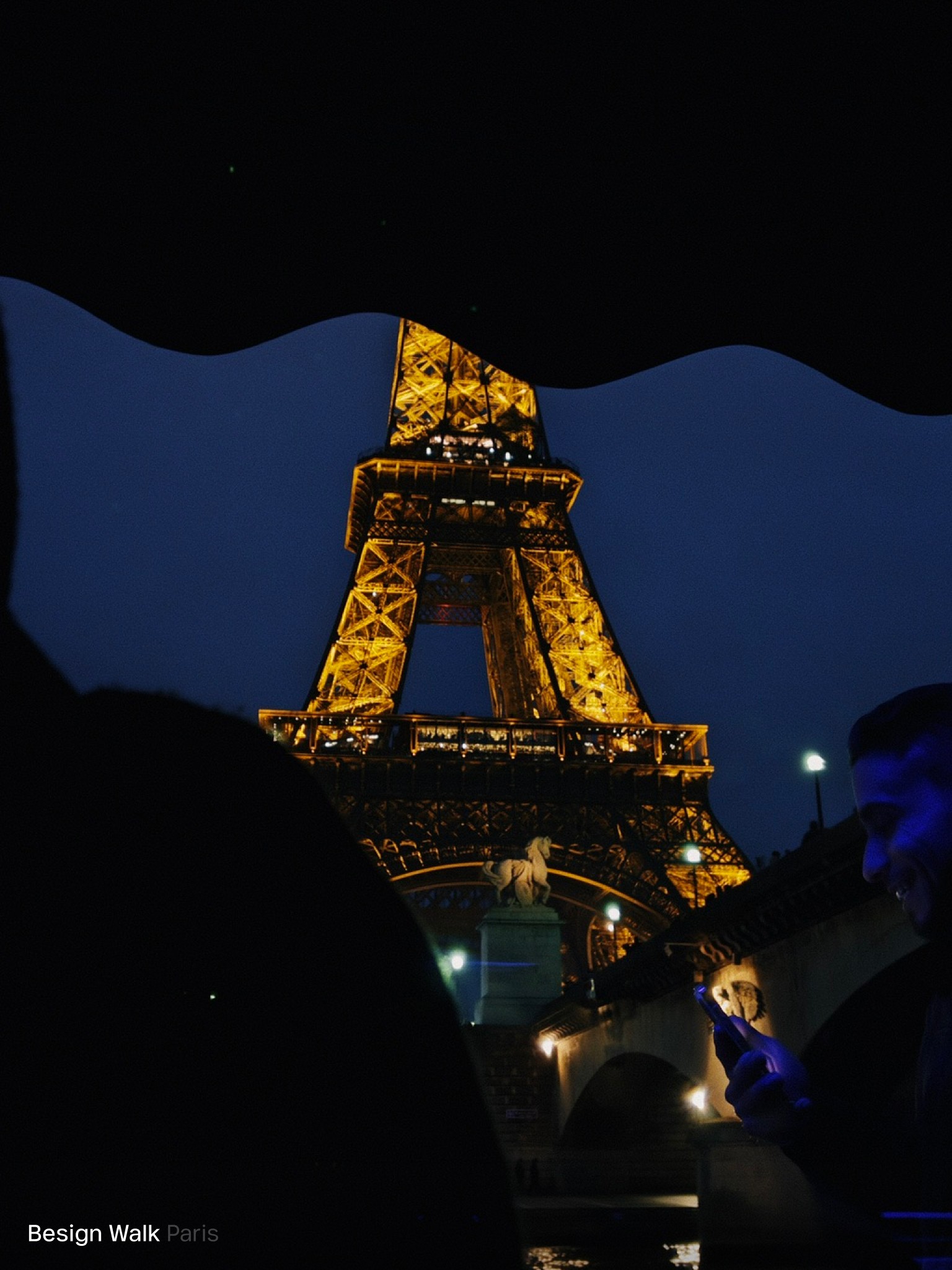
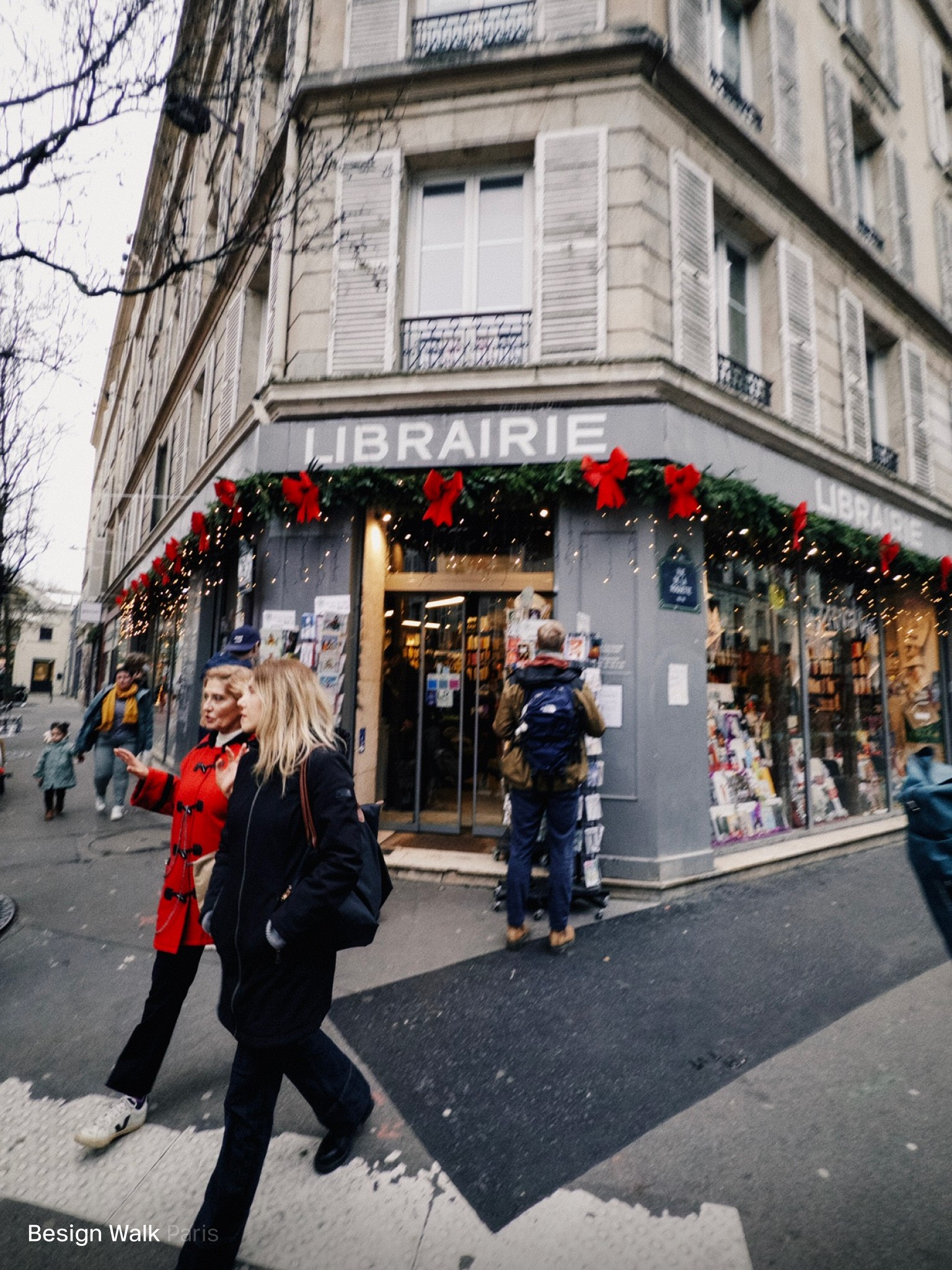
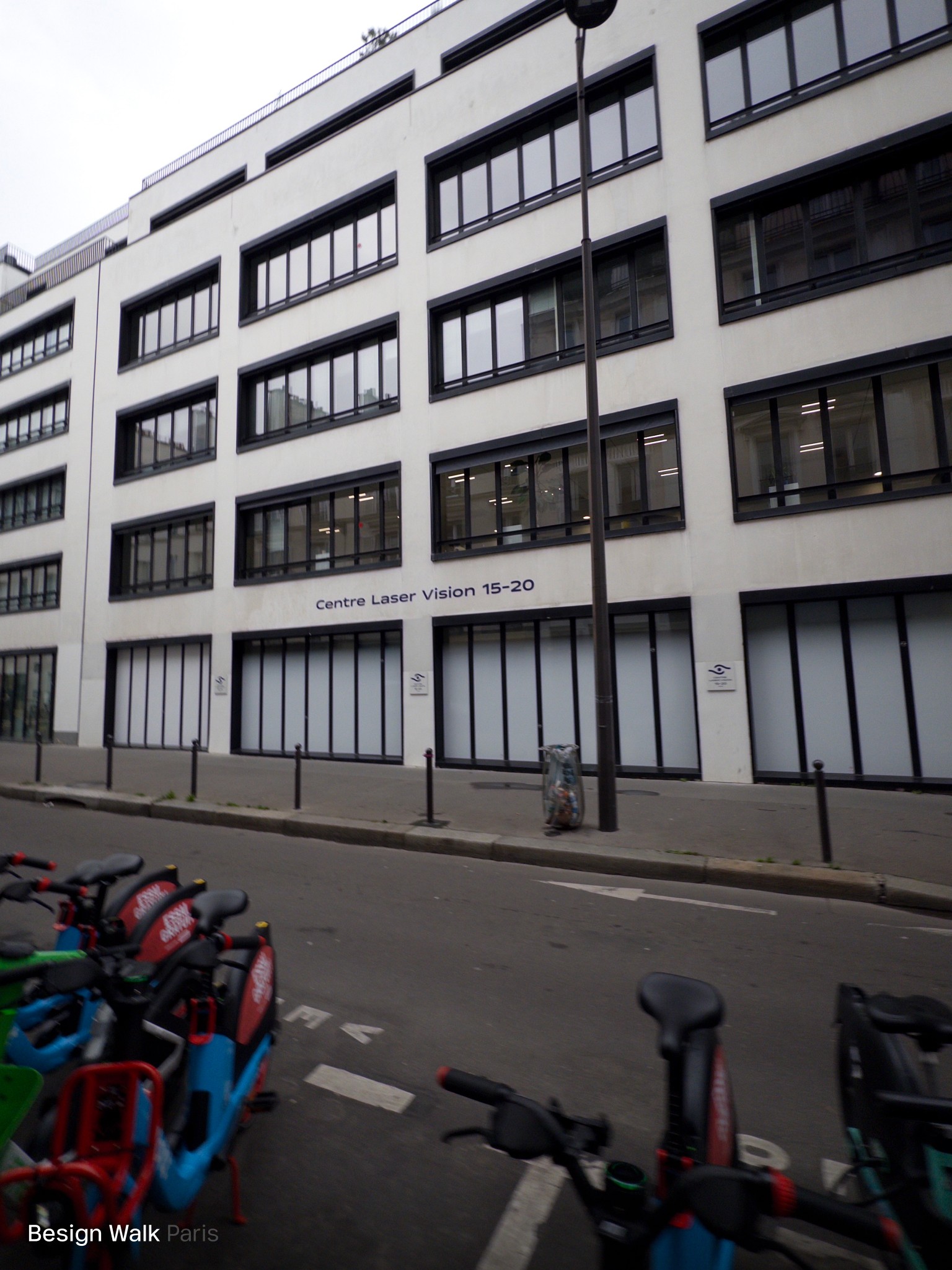
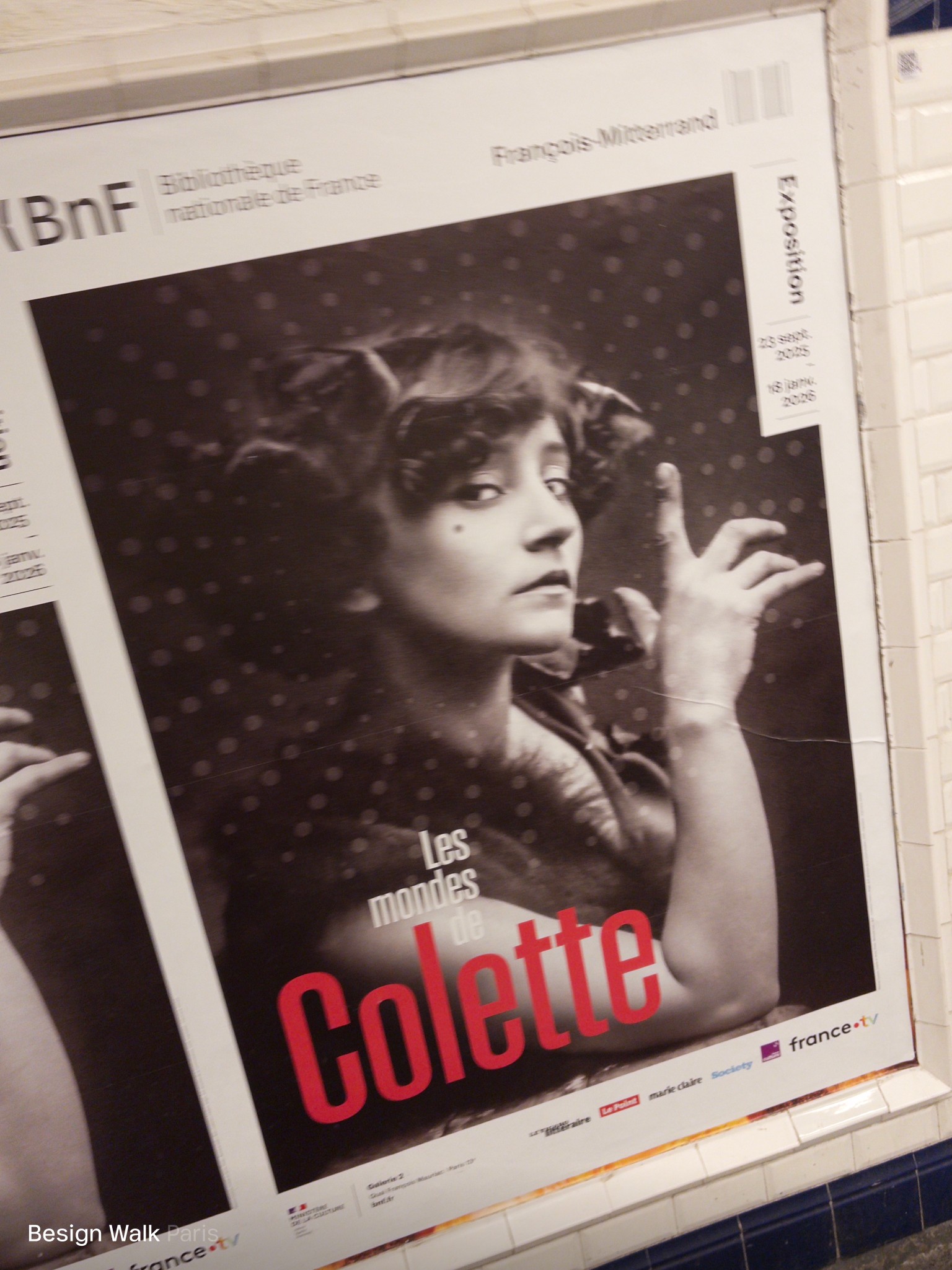
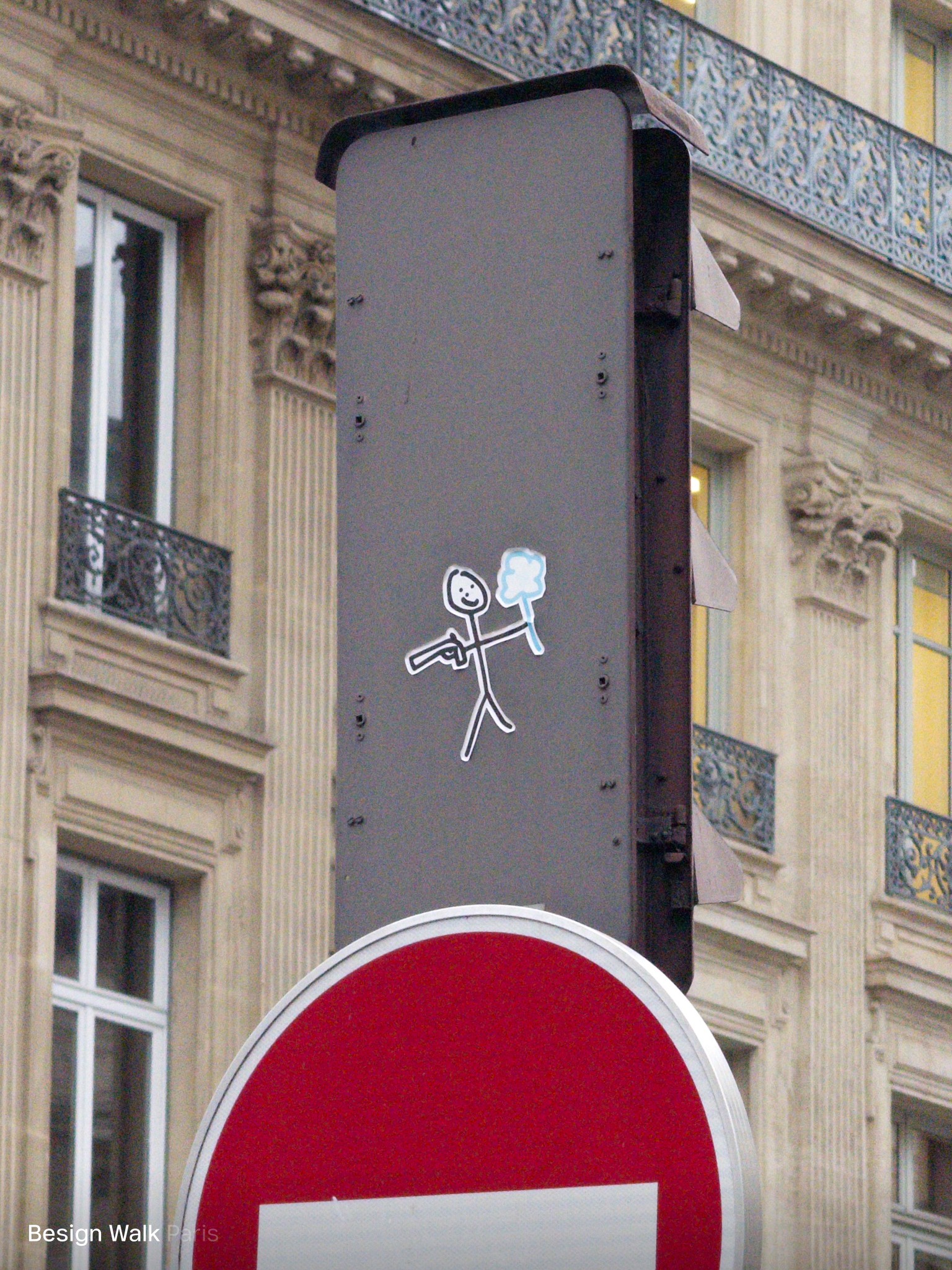
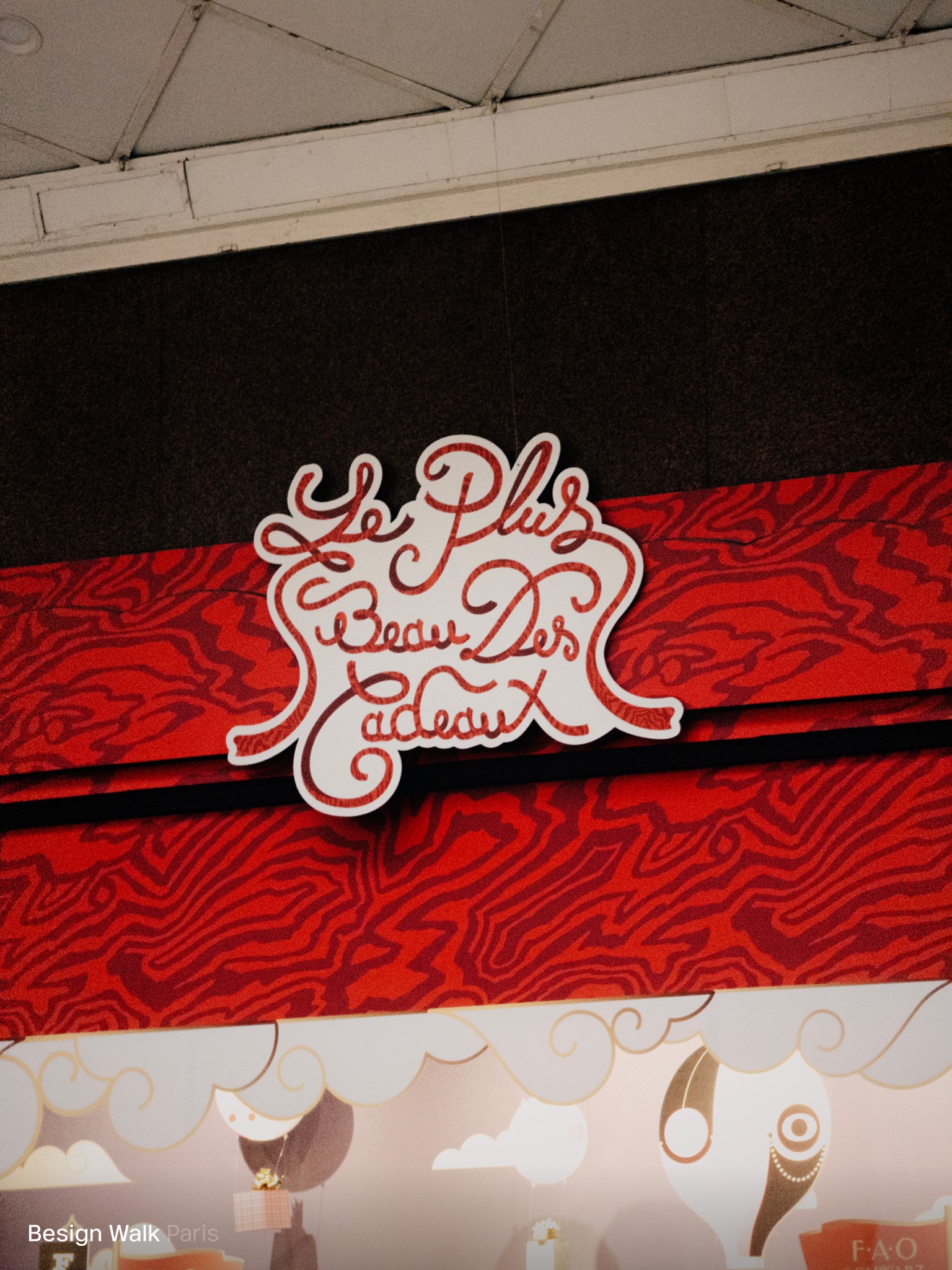
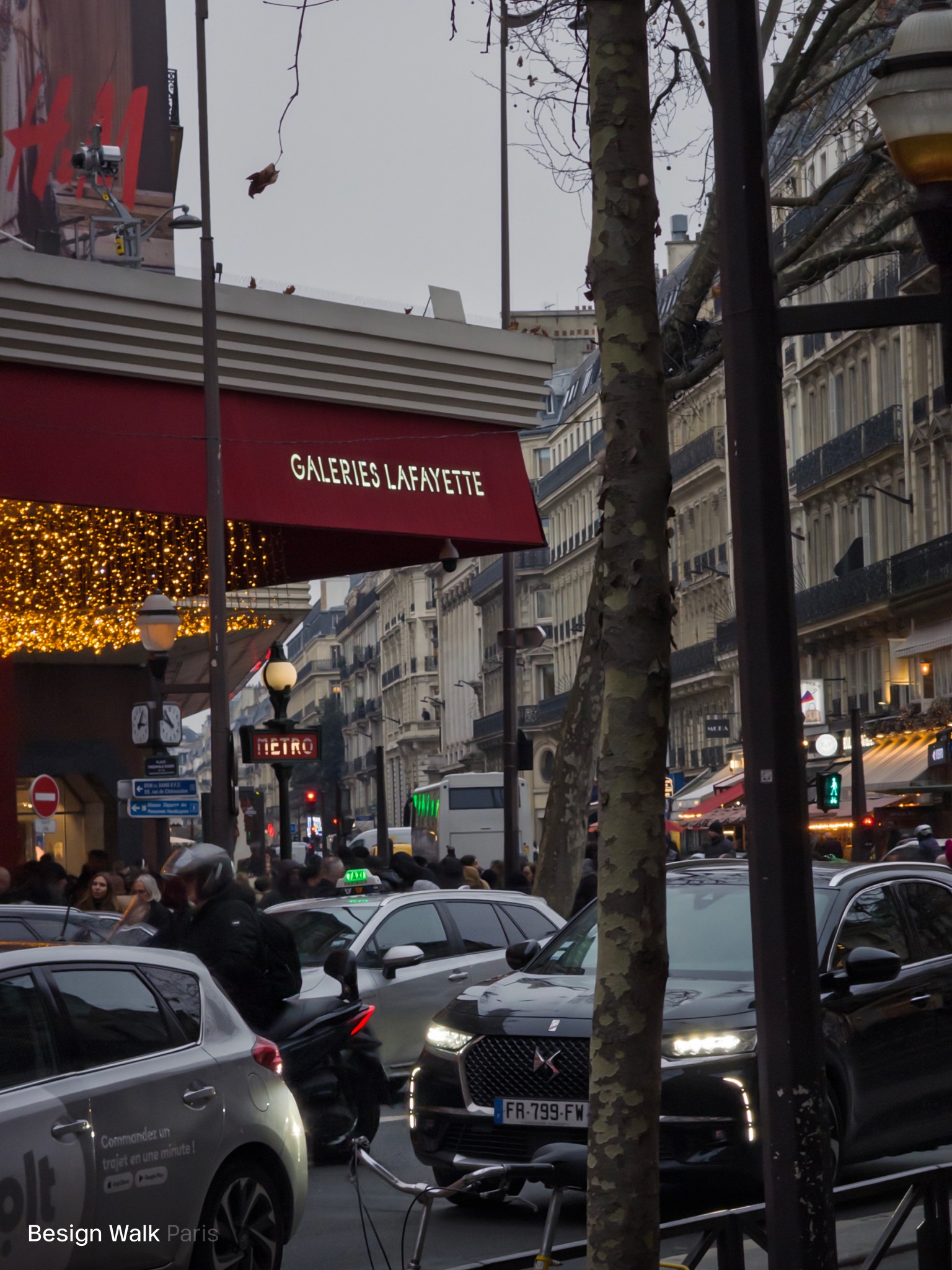
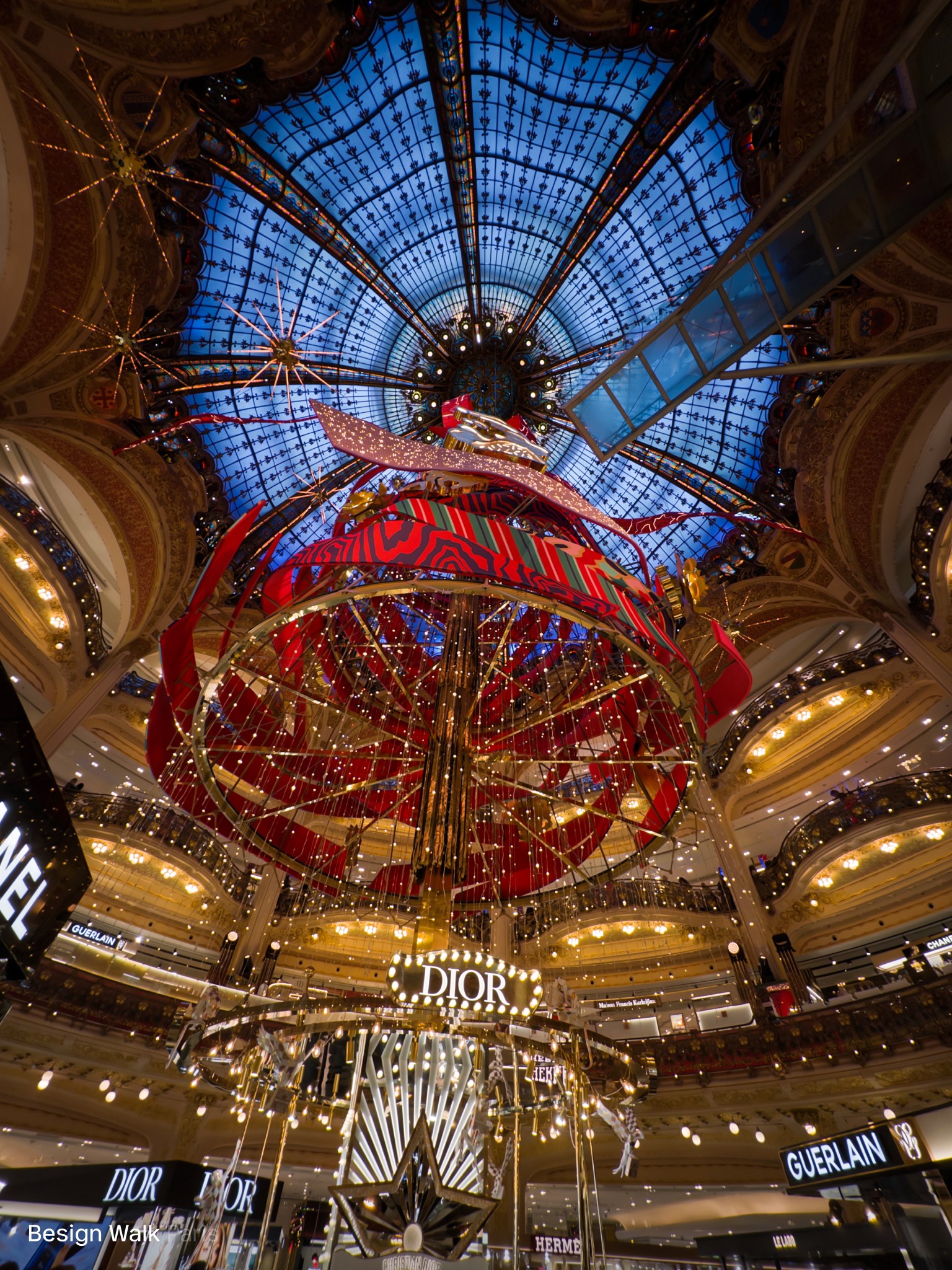
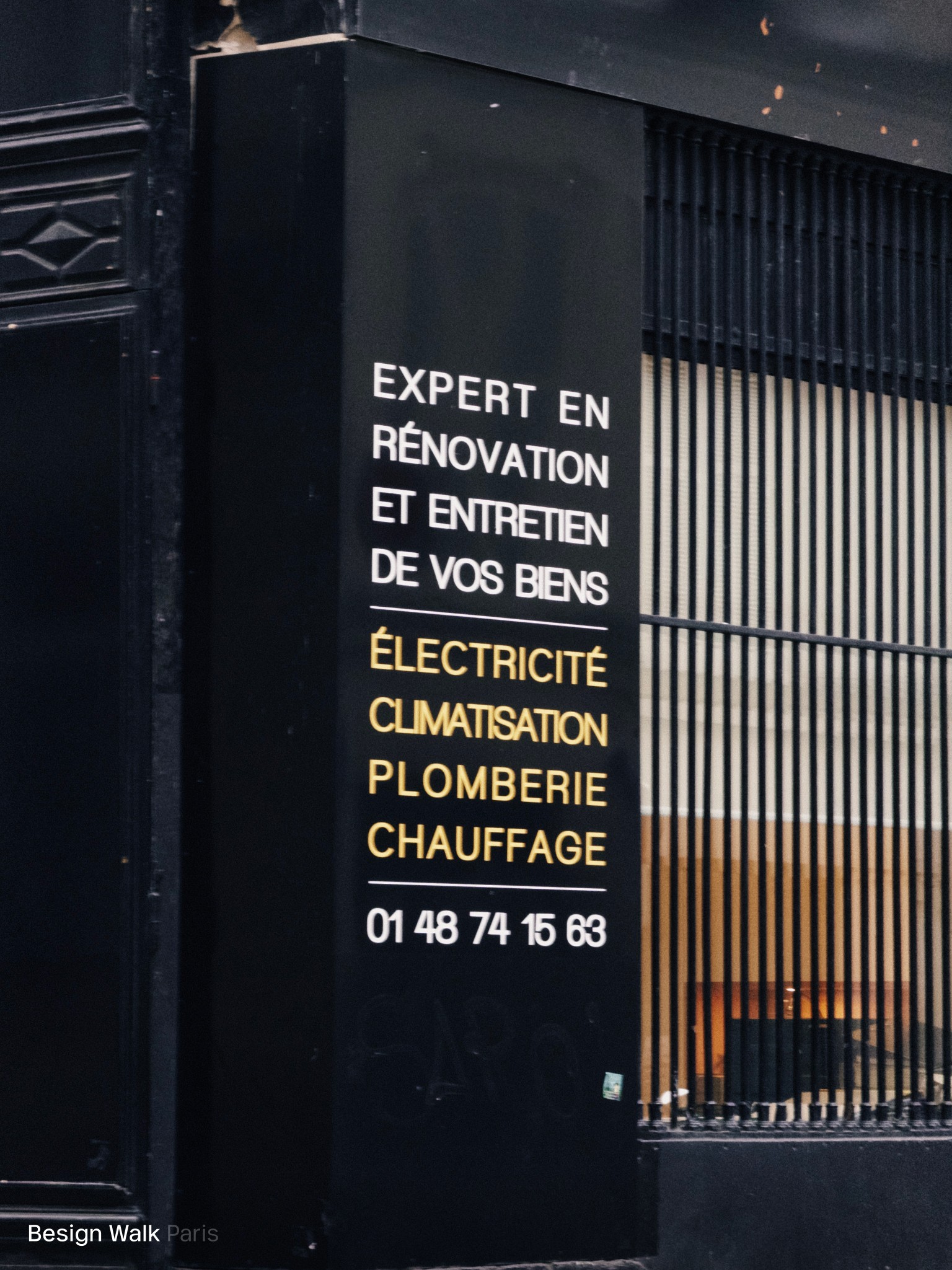
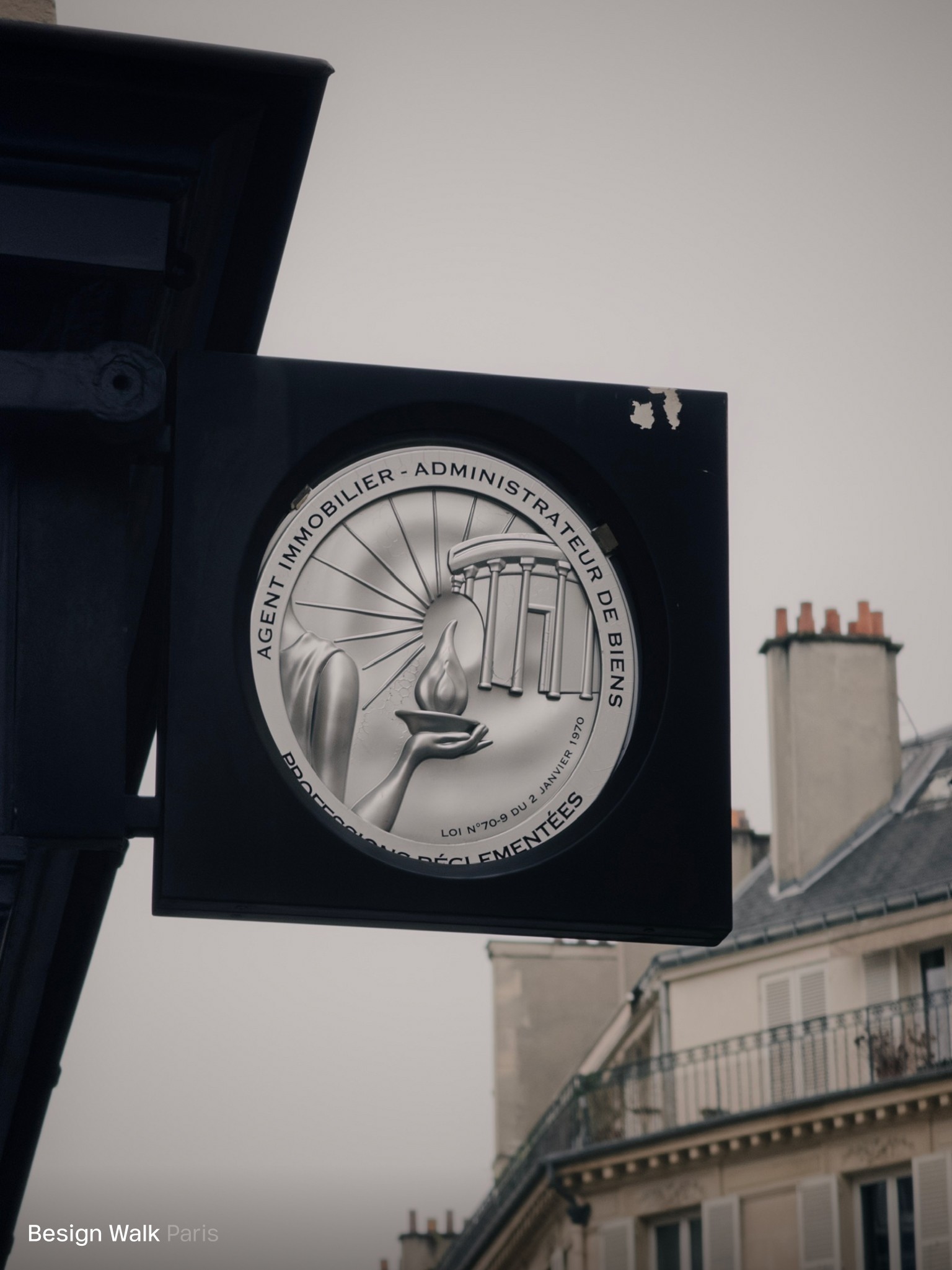
During the Christmas season, the Besign team embarked on a design tour in Paris. We did not deliberately seek out 'design landmarks', but instead allowed our gaze to naturally fall on the streets, buildings, and everyday details, experiencing how this city continuously grows between history and the present.
The city center of Paris is mostly made up of historic low-rise buildings, and the design language on the streets shifts between solemnity and casualness depending on the medium: large wooden doors often feature door numbers marked in uppercase sans-serif fonts, rational and restrained, yet appearing particularly steadfast against the heavy facades; street signs mostly use narrow sans-serif fonts, compactly and clearly embedded into the urban fabric. Turning the corner, the restaurant and shop windows adopt script or decorative fonts, expressing their own personality and emotions.
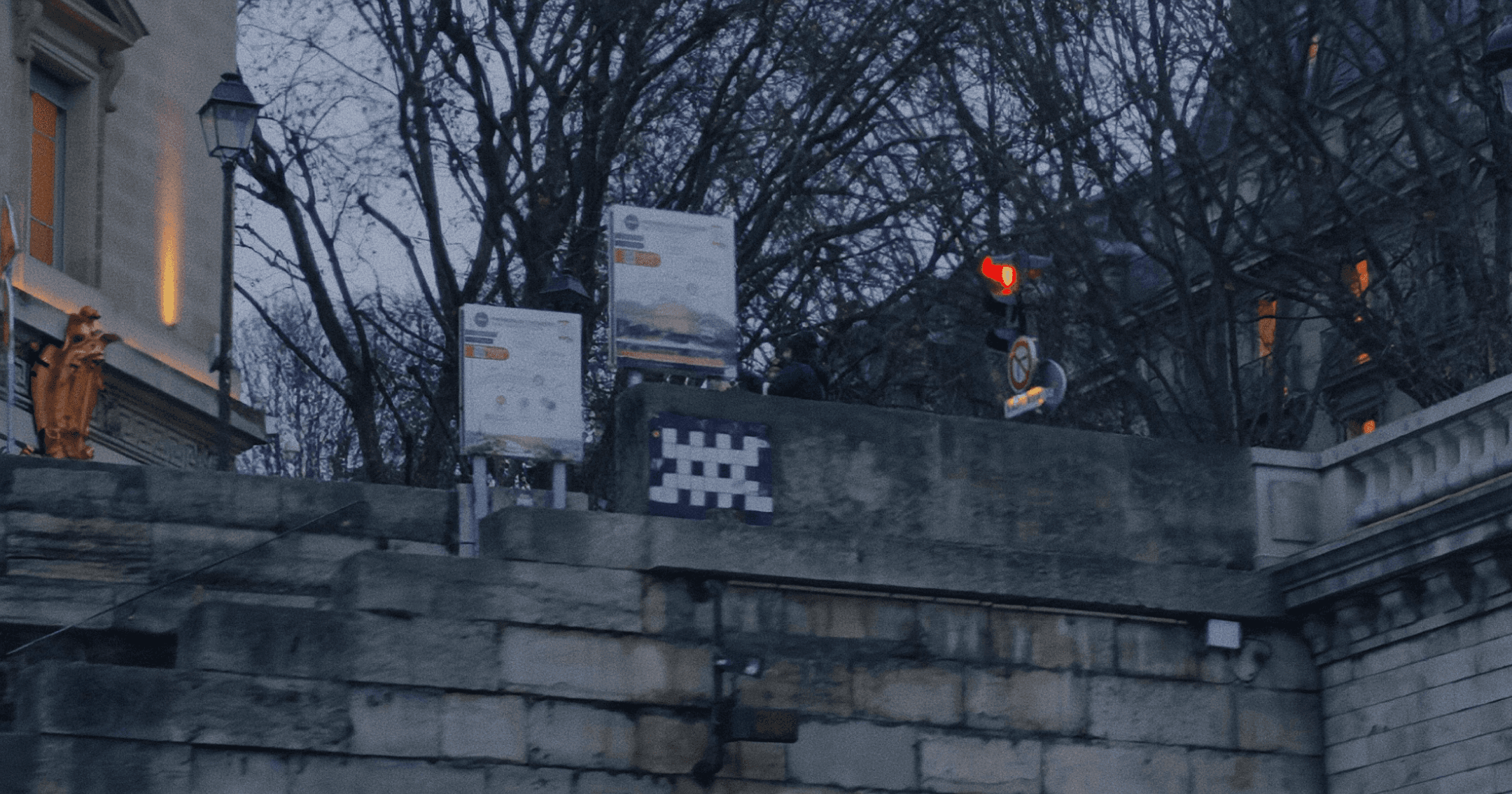
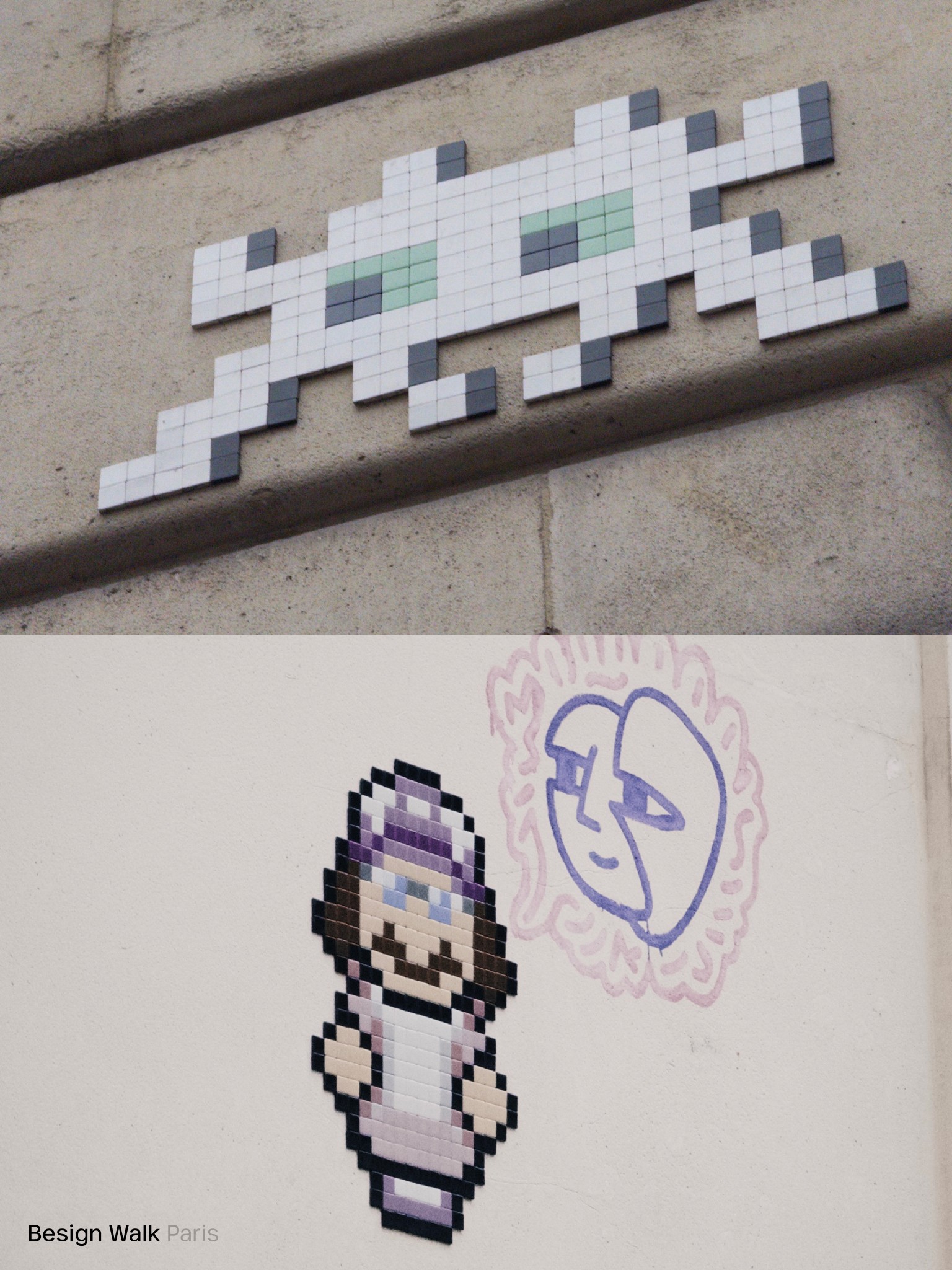
This visual switch is ubiquitous in Paris. The giant Christmas decorations suspended in the atrium of the Galeries Lafayette dramatically occupy the center of space, amplifying the festive mood; while on the street facades, corners, and alleys, free graffiti and Invaders' pixelated mosaics quietly appear, silently interspersed and becoming part of Paris's visual memory. Although they do not belong to the official system, they have long become part of Paris's visual memory.
The design of Paris has never been a strictly regulated unified system, but rather the result of long-term layering and continuous growth. The official and the informal, rationality and emotion, history and the present, coexist in the same space, not fully blending, but tolerating each other. This design context, which does not pursue absolute efficiency but highly respects freedom of expression, has shaped Paris's unique urban temperament—relaxed, complex, yet always vibrant.
In the upcoming year of 2026, Besign will continue to explore different cultures and urban landscapes through more city explorations. The significance of design lies in transcending the boundaries of language and geography, and our design journey will continue to leave new thoughts and imprints in more places.