Besign Walk Bangkok: Design thrives on the streets.
Besign Walk
2/14/25
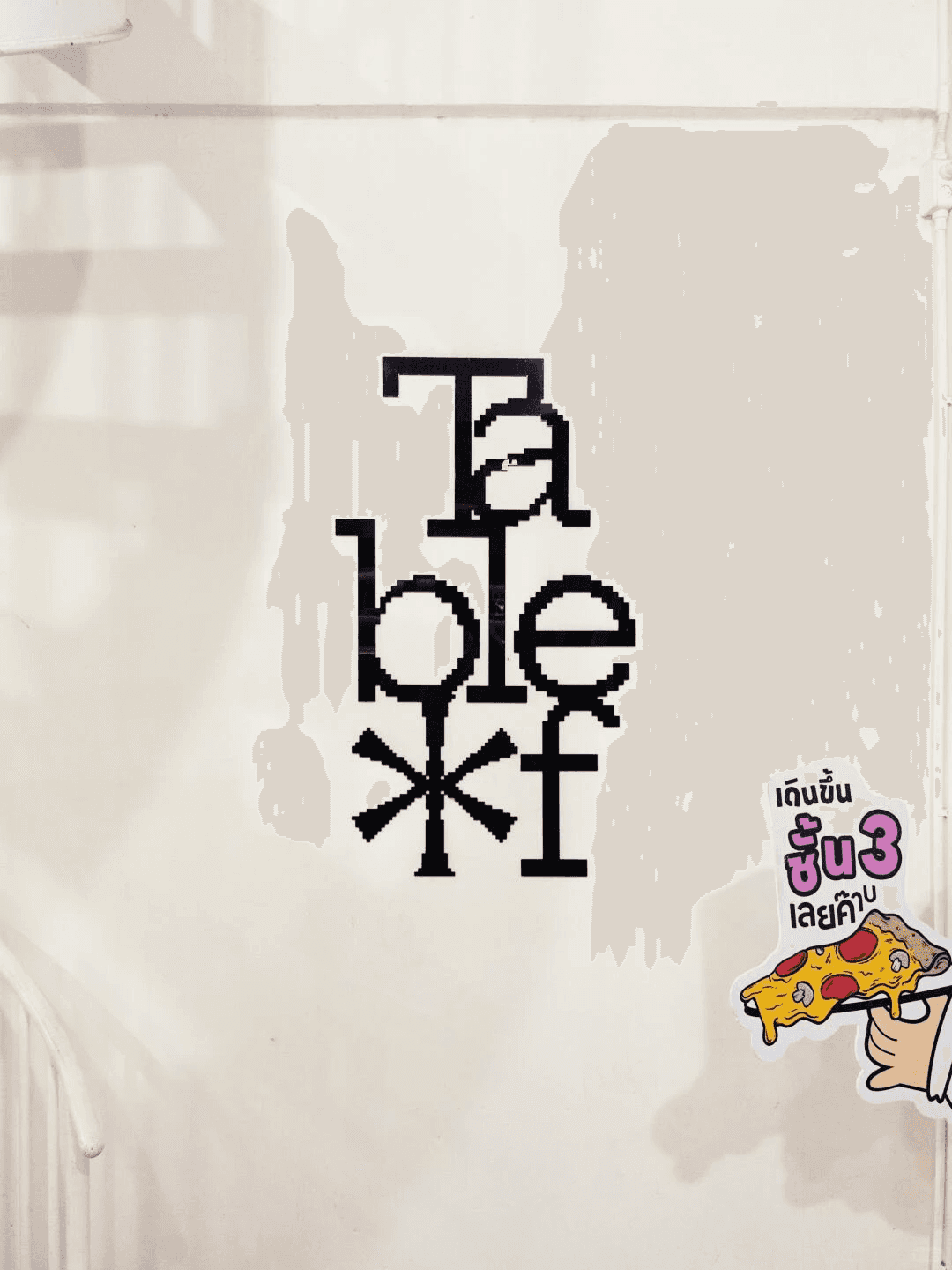
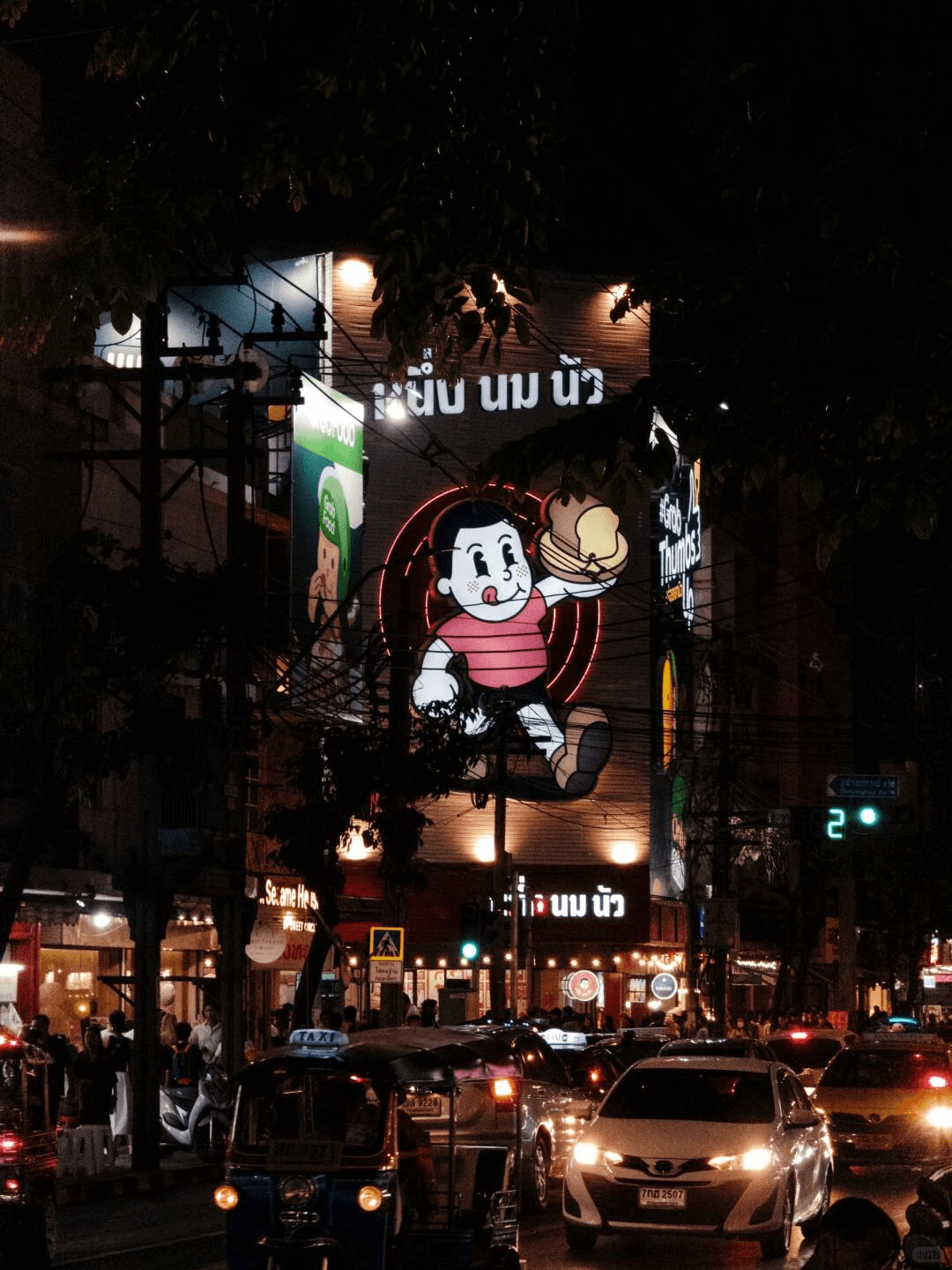
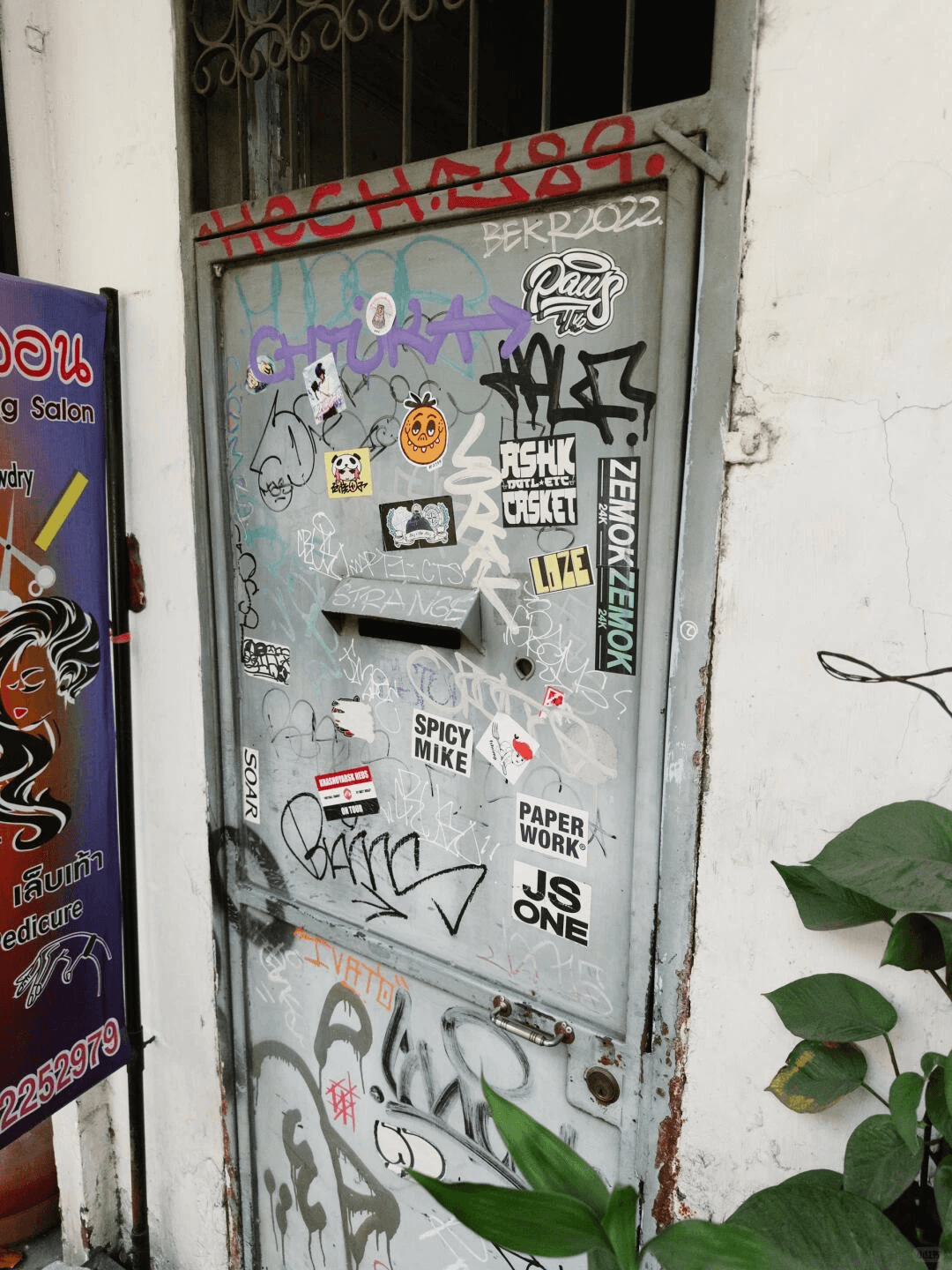
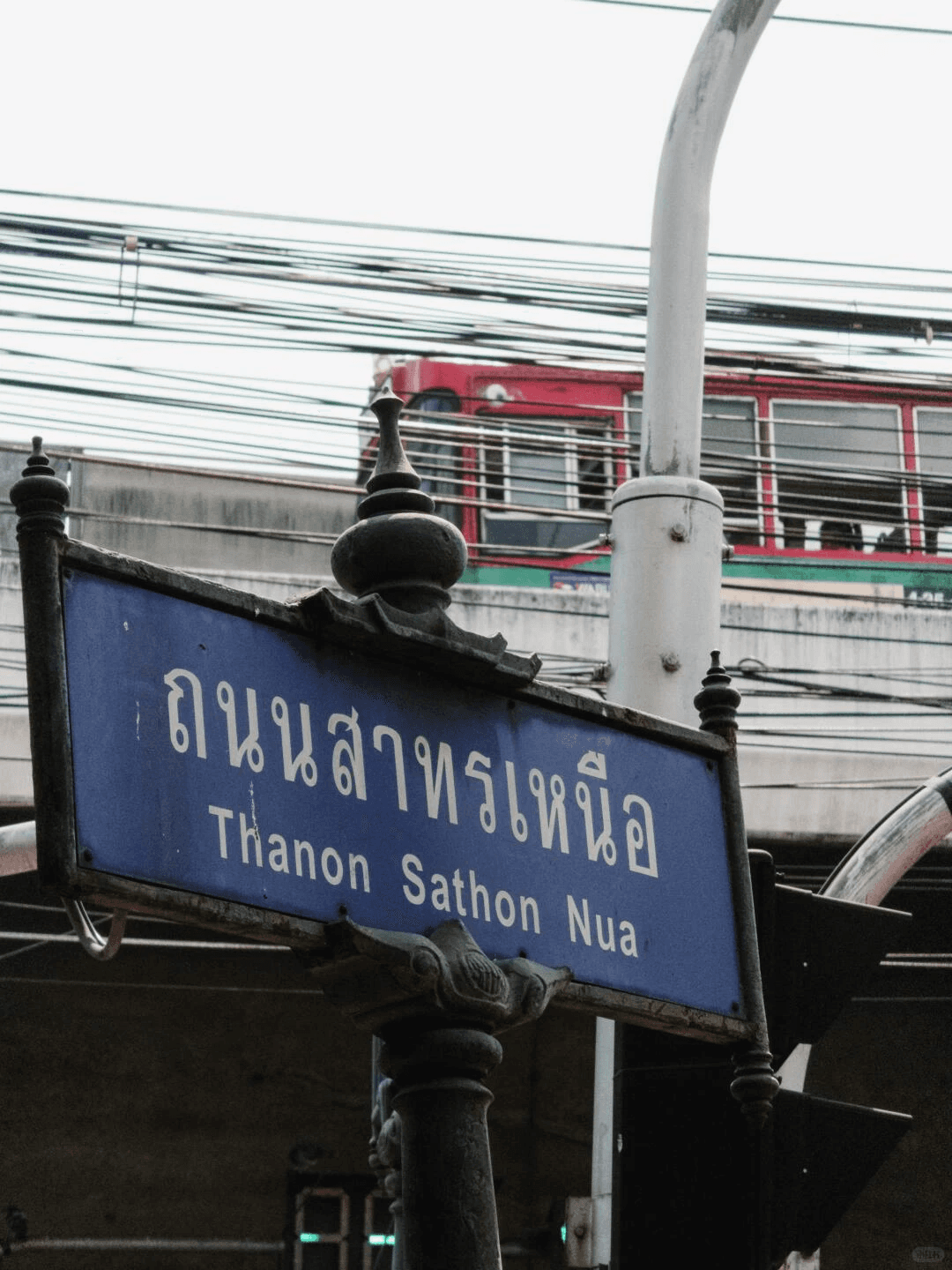
After the New Year, the Besign team members arrived in Bangkok. From the bustling Chatuchak Market to the brightly lit Chinatown, we attempted to find the unique rhythm of Bangkok's design language amid the collision of visual symbols.
Multilingual Fusion: Coexistence of Thai, Chinese Characters, and Latin Letters
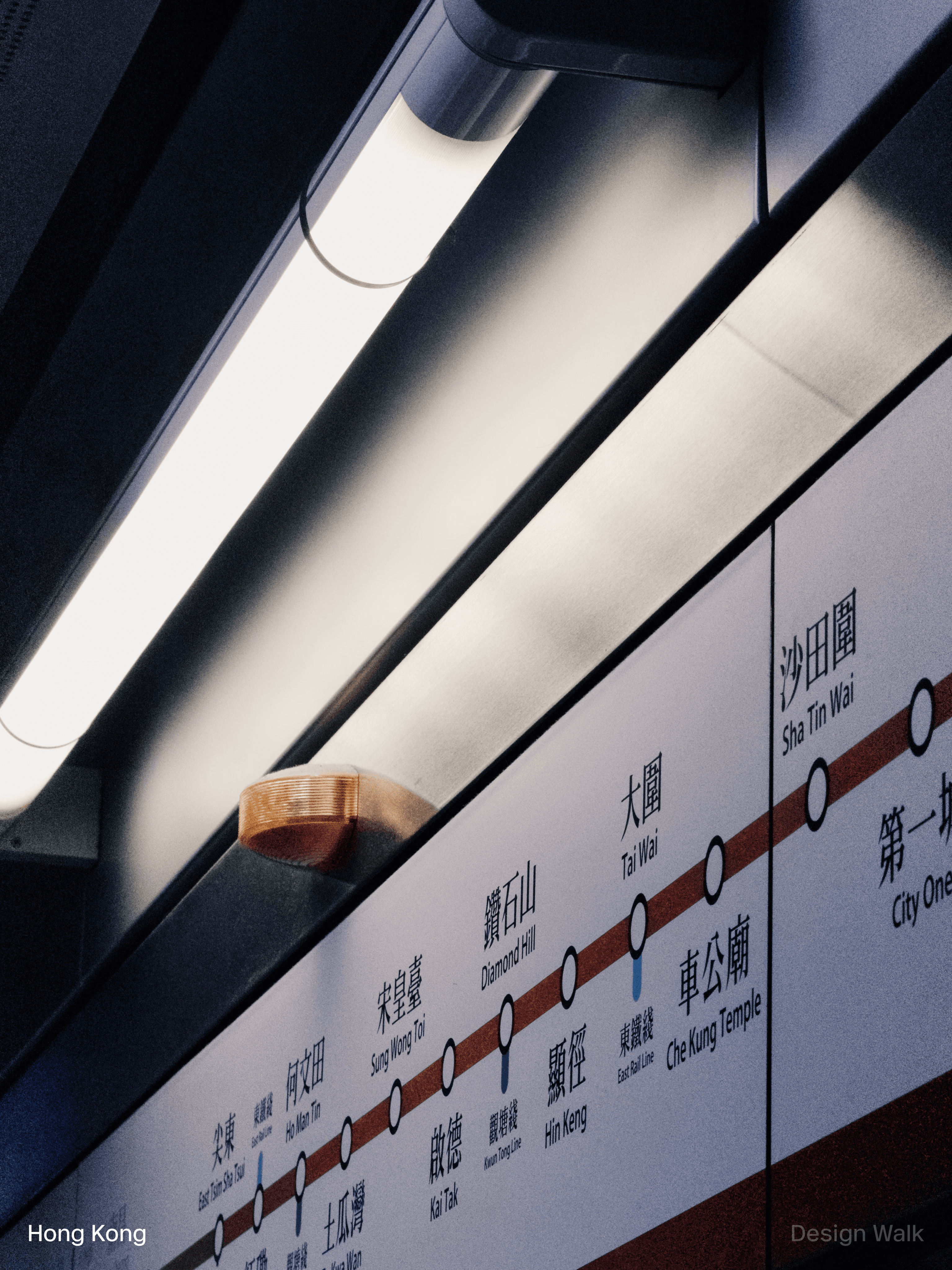
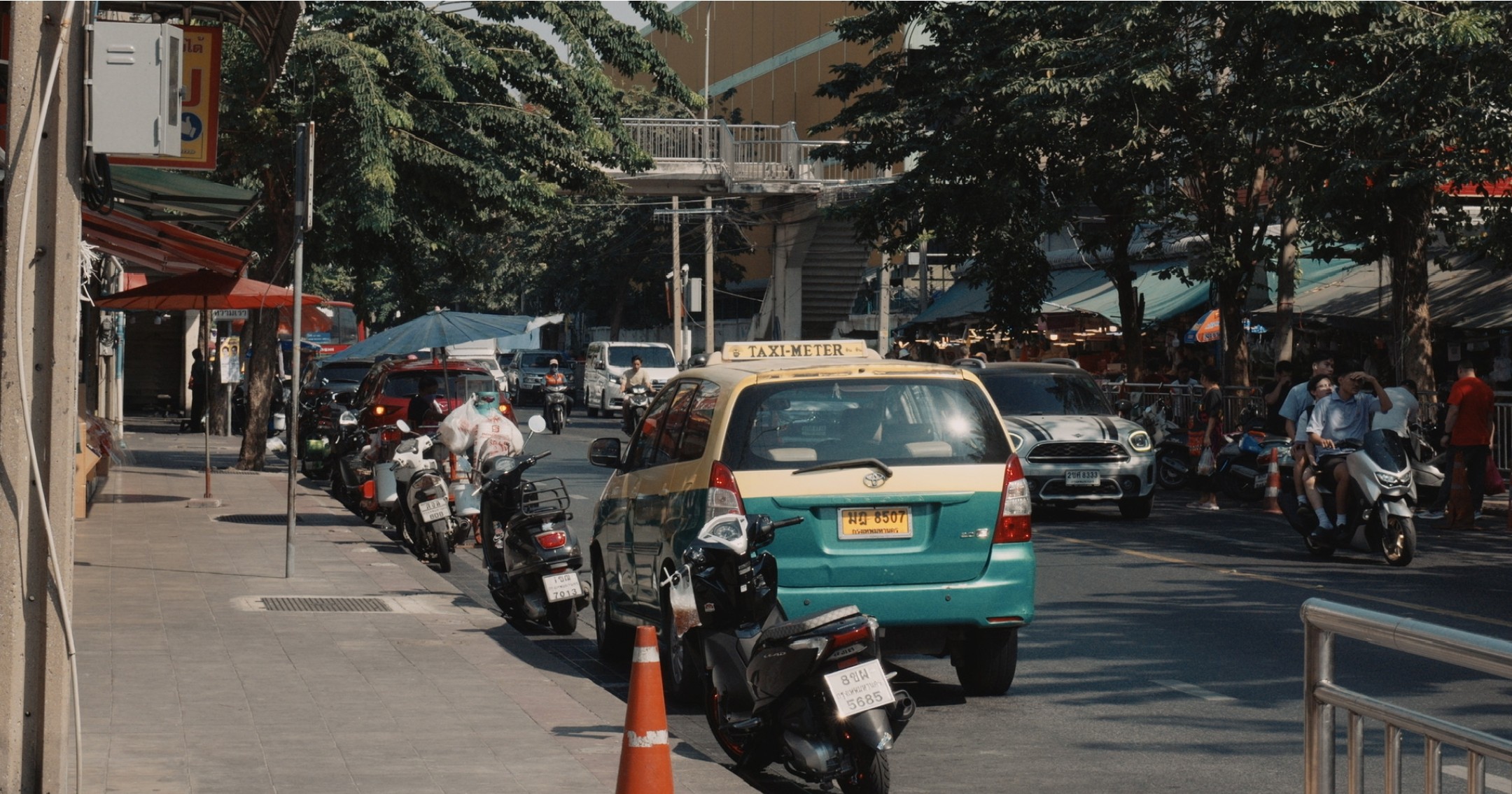
The street design in Bangkok is full of profound adaptations to a multilingual environment. From the metro station's signage system to the hand-painted signs of street vendors, Thai, Chinese characters, and Latin letters are interlaced, each language endowed with its own typographic logic. Compared to the rational segmentation of European and American modernism, Thai multilingual design is evidently more casual. The letters are interwoven irregularly, and the visual hierarchy is intuitively adjusted to suit tourists' reading habits. This highly inclusive expression is both a design strategy and a reflection of Bangkok's cultural openness.
Diversity of Street Culture: Art, Fireworks, and Faith Intertwined
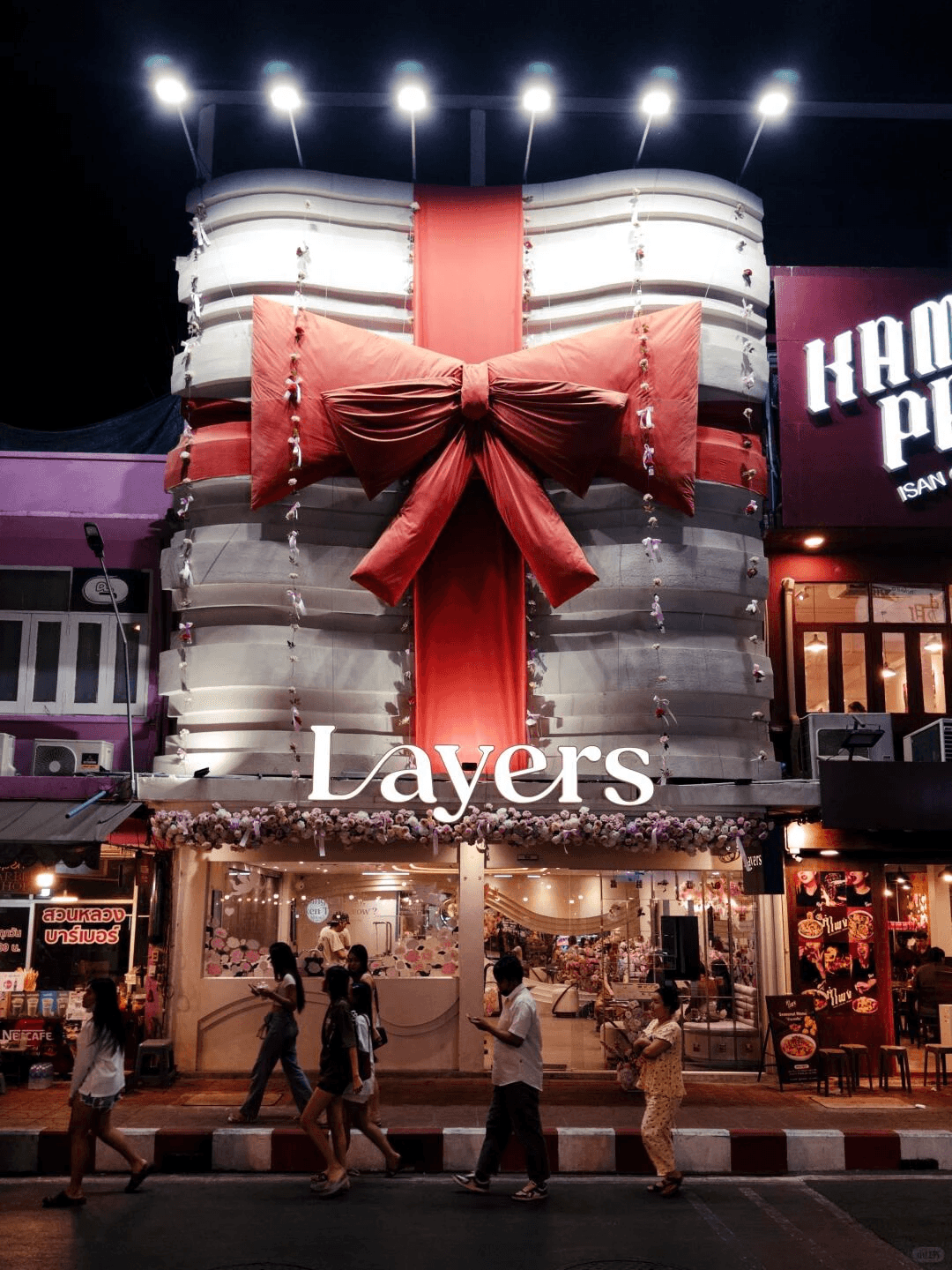
Street graffiti is common in Bangkok, but it is not merely street rebellion; it is more like an extension of public art. The vibrant hand-painted patterns on alley walls blend with religious symbols, where Buddhist totems coexist with modern illustration styles, creating a wonderful visual dialogue. On the other hand, the night market is another design experimental field: neon handwritings, hand-carved menus, packaging paper printed with local illustrations... These designs might not be rigorous, yet they vividly reflect Bangkok's aesthetic logic—lively, straightforward, and unconstrained. This city does not intentionally 'design' a complete unified visual system. Instead, it naturally integrates individual creations with market demands, allowing design to grow within the street's texture.
Experiencing Bangkok: Designing for the Flowing Crowd
As a major tourist hub, Bangkok's design is extremely 'people-oriented', but 'people' here refers not only to local residents but also to visiting tourists. The guiding system at the airport, mobile payment interfaces on the street, signage in malls, and even the product arrangement in convenience stores all reveal high visitor-friendliness. Here, design is not for stylization but to serve the ever-moving crowd, shaping a relaxed yet efficient city experience.
Bangkok is a flowing city, and design flows with it. Here, the visual system is not one-directionally shaped but continuously absorbed, adjusted, and adapted in real-life scenes, ultimately forming the city's unique ecosystem. The Besign Walk continues, and in 2025, we will explore more cities, seeking out design languages shaped by the texture of urban life.